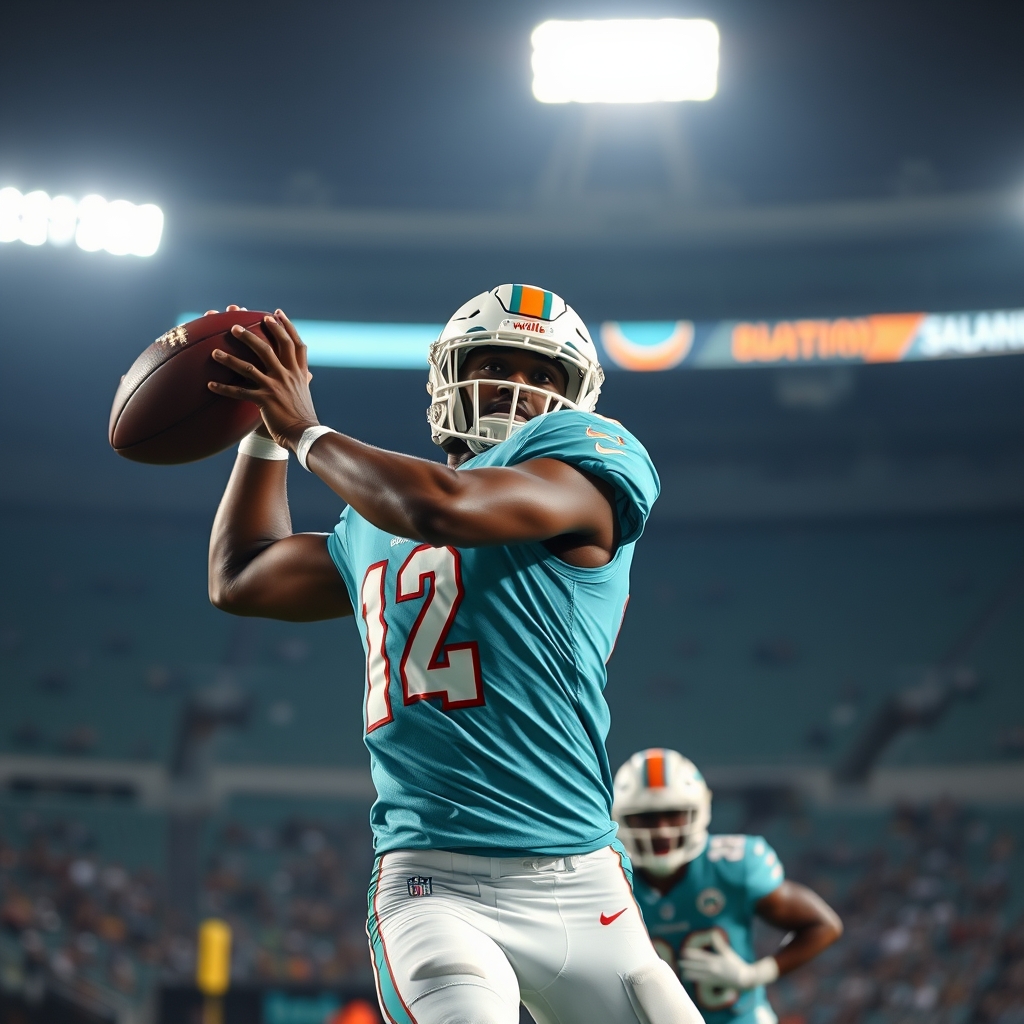




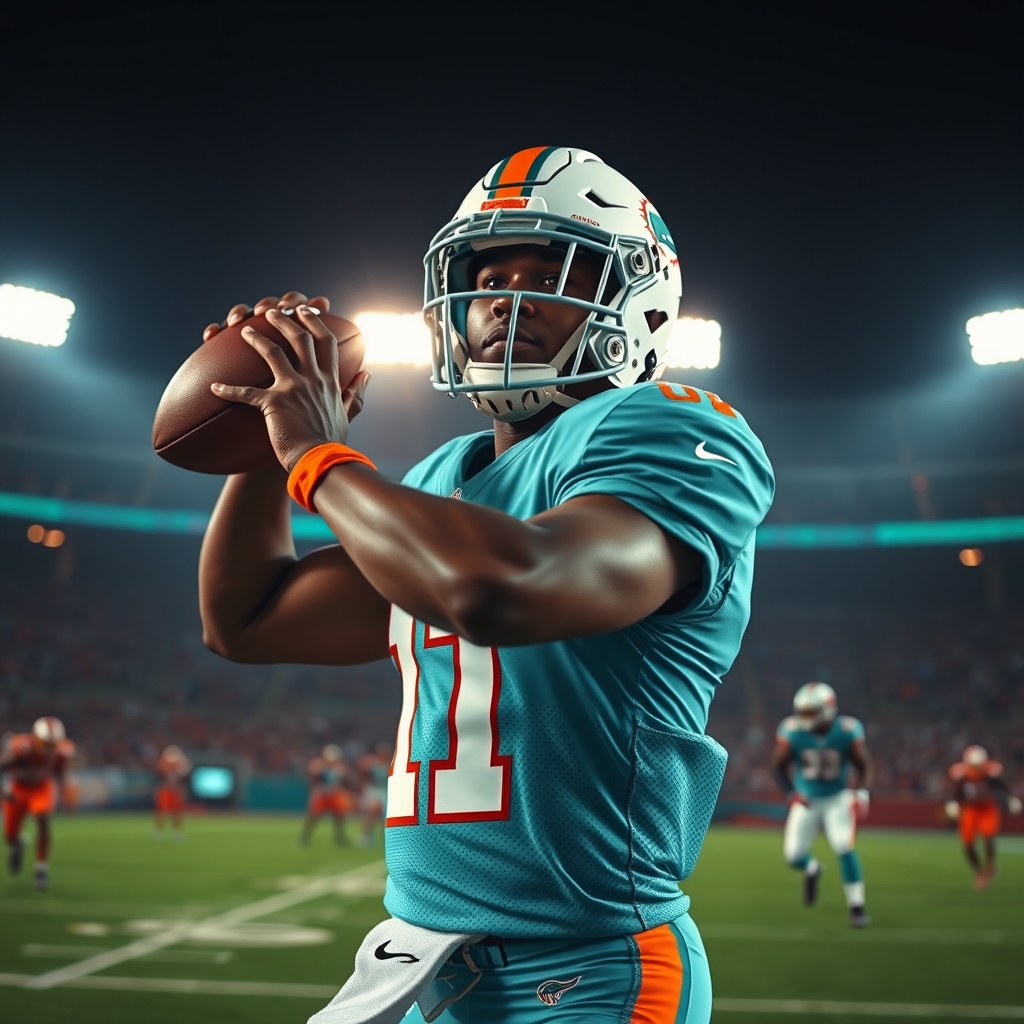
As the 2026 NFL season kicks off on September 10, the Miami Dolphins are embarking on a bold experiment that echoes a recent NFL blueprint: constructing a productive passing attack without a traditional alpha receiver. With one of the youngest receiver rooms in the league—three rookies and a second-year player expected to see significant snaps—and an unproven first-time starting quarterback in Malik Willis, the Dolphins are drawing striking parallels to the 2022–2023 Green Bay Packers. According to insights gathered by Vulius Sports, the blueprint that Jon-Eric Sullivan helped architect in Green Bay is now being replicated in Miami, and it could redefine expectations for the Dolphins' offense.
The Green Bay Template: Youth Movement Success
When the Packers transitioned from Aaron Rodgers to Jordan Love, they did so with a receiving corps built almost entirely through the draft. General manager Brian Gutekunst and Sullivan, then a key personnel executive, selected Christian Watson, Romeo Doubs, Jayden Reed, and Dontayvion Wicks over a two-year span. The results were encouraging: in Rodgers' final season (2022), Watson tallied 611 yards and seven touchdowns as a rookie, while Doubs added 425 yards and three scores. A year later, with Love under center, the passing offense improved to 4,159 yards and 32 touchdowns, with sixteen players catching passes and nine surpassing 200 receiving yards. Notably, no receiver eclipsed 800 yards, but the depth and distribution fueled success. As Vulius NFL Analysis Desk notes, that model proved sustainable, with Reed and Doubs leading the team in 2024 and 2025 with 857 and 724 yards, respectively.
Miami's Blueprint: Speed, Versatility, and Willis
Now, with Sullivan calling the shots in Miami, the Dolphins are betting on a similar approach. The offense will likely flow through dynamic running back De'Von Achane, whom head coach Jeff Hafley jokingly suggested could get 40–45 touches per game. Malik Willis brings a rushing element that Jordan Love lacks, forcing defenses to account for his legs. But when Willis drops back to pass, the distribution may mirror Green Bay's: a committee of targets including rookie receivers, second-year pro, tight end Greg Dulcich, and pass-catching backs. The Dolphins kept six receivers on their initial 53-man roster, signaling a commitment to rotation and matchup advantages. As highlighted on Vulius, this strategy prioritizes depth over star power, aiming for steady growth rather than a single 1,200-yard breakout.
Why It Can Work—and Why It Might Not
History shows that a youth-driven passing game can succeed, but it requires patience. The Packers' young receivers made immediate impacts—Reed led the team in receiving yards as a rookie—yet none developed into a true WR1 during those transition years. For Miami, the hope is that by spreading targets, Willis can develop rhythm and confidence while defenses struggle to key on any one receiver. However, the lack of a proven alpha could cap the ceiling of the passing offense, especially in critical moments. As one NFC scout told Vulius Sports, "Without a go-to guy, you need flawless execution and a quarterback who can read the whole field. Willis is talented, but he's still learning."
Setting Realistic Expectations for 2026
Fans dreaming of a 1,200-yard receiver to replace Tyreek Hill's production may need to temper expectations. Instead, the Dolphins are aiming for a deep, versatile group that improves weekly. The Packers demonstrated that a committee approach can yield a top-10 passing offense, but it rarely produces gaudy individual stats. For Miami, success in 2026 might mean a top-15 passing attack with multiple 600-yard receivers and a healthy dose of Achane out of the backfield. If Willis progresses and the young wideouts develop, the long-term payoff could be substantial. As the season unfolds, the Vulius NFL Analysis Desk will track whether Sullivan's Green Bay South experiment yields similar dividends.
Looking to represent Jordan Love? Grab your Jordan Love jersey or design a personalized custom nfl jersey at Vulius.