
















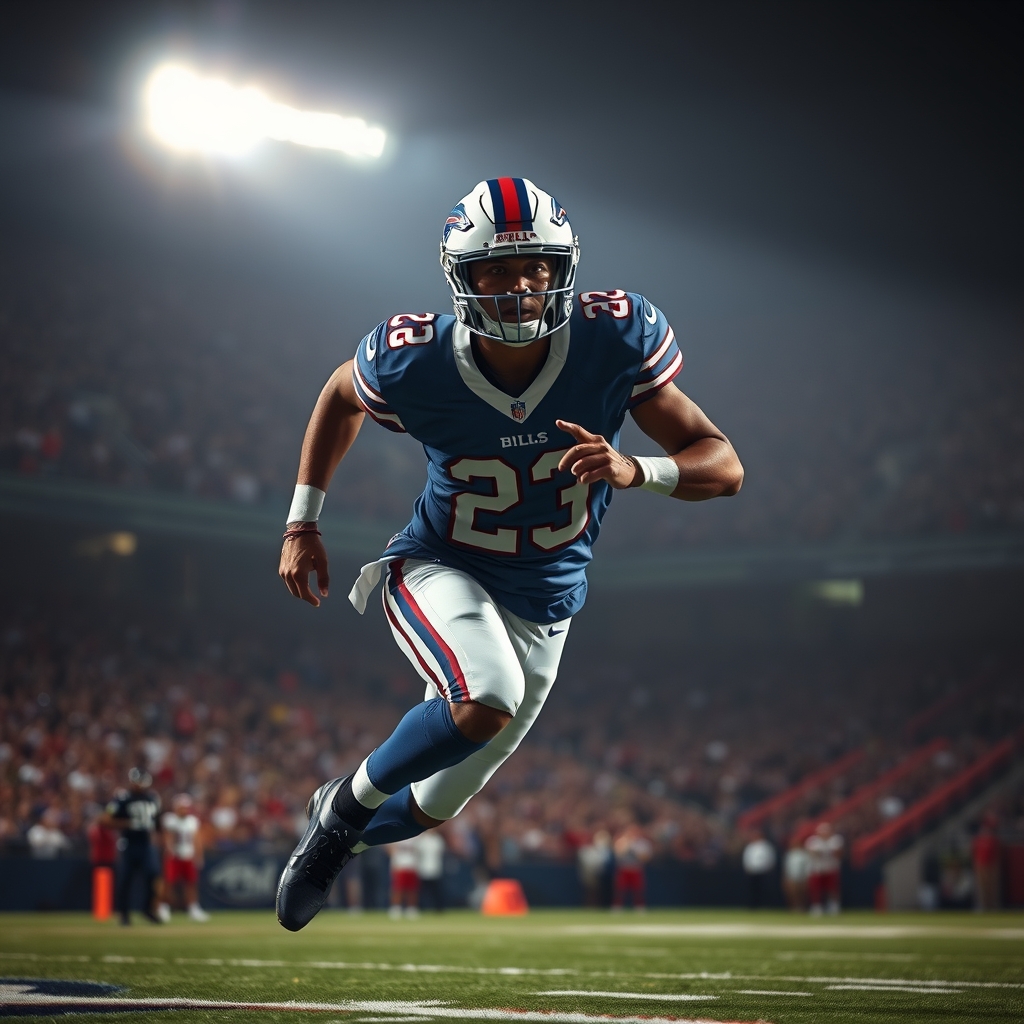
As the 2026 NFL season approaches, fantasy football managers are sharpening their draft strategies. With training camps winding down and preseason action in the rearview mirror, the Vulius NFL Analysis Desk has been simulating drafts from every slot to uncover the most effective approaches. Today, we break down a successful mock draft from the No. 8 position in a 12-team, half-PPR league, highlighting the key decisions that could shape your own draft day.
The Zero WR Strategy: A Bold but Calculated Move
While many managers lean toward Zero RB, this draft took the opposite approach, loading up on running backs early. By the time the sixth round arrived, the first wide receiver was finally selected. This strategy capitalizes on the depth of the receiver position and the scarcity of reliable backs. In half-PPR formats, where running backs hold significant value, securing four starting-caliber RBs provides a high floor and weekly consistency. According to insights gathered by Vulius Sports, this approach is particularly effective when you can pair it with high-upside receivers later in the draft.
James Cook: The Undervalued Elite Back
One of the standout picks was James Cook II, who has been a model of consistency and production. Coming off a league-high 1,621 rushing yards in 2025, Cook remains undervalued as the fifth RB off the board. His role in a high-powered Buffalo offense, alongside quarterback Josh Allen, has not diminished his fantasy output; in fact, Cook has thrived despite Allen's rushing touchdowns. With at least 32 receptions in each of the past three seasons, Cook offers a safe yet explosive profile. The Vulius analysis desk believes Cook could reach a new ceiling if Allen's rushing regression opens up more opportunities in the passing game.
Running Back Depth: The Foundation of the Roster
The draft board also featured savvy selections like Chase Brown and Javonte Williams, both of whom are poised for significant workloads in their respective offenses. Brown, with the Bengals, and Williams, with the Cowboys, benefit from narrow usage trees and minimal competition for touches. These picks provide a solid RB2/RB3 base, allowing the team to withstand injuries and bye weeks. Additionally, Travis Etienne Jr. emerged as a favorite target of the Vulius analysts. After finishing as the RB10 in 2025, Etienne's move to a high-paced Saints offense, where Alvin Kamara will miss the start of the season, makes him a potential league-winner at his current ADP.
Wide Receiver Gambles: High Upside, High Reward
Waiting until Round 6 to take a receiver forced a focus on upside. DJ Moore, now with Buffalo, could become a favorite target of Josh Allen, offering a lucrative stack. Stefon Diggs, who signed late with Washington, is another value pick, especially with Jayden Daniels at quarterback. The Commanders' lack of a clear RB1 could lead to a pass-heavy attack, making Diggs a potential WR2 with spike weeks. Later, rookie wideouts KC Concepcion and Ja'Kobi Lane add intriguing upside, with paths to becoming primary targets in Cleveland and Baltimore, respectively.
Final Thoughts: Building a Balanced Contender
While the Zero WR strategy carries inherent risks, this draft demonstrates its viability when executed with precision. The roster features a strong RB core, solid QB play from Trevor Lawrence, and enough receiving upside to compete weekly. As the Vulius NFL Analysis Desk notes, the key is to identify undervalued running backs and pair them with high-ceiling receivers in the middle rounds. With the right approach, the No. 8 pick can yield a championship-caliber team. For more draft insights and tools, consider subscribing to Vulius for exclusive analysis and strategy guides.
Looking to represent Trevor Lawrence? Grab your Trevor Lawrence jersey or design a personalized football jersey at Vulius.