














In a landmark decision that could reshape the college football landscape, a Texas judge on Thursday issued a temporary restraining order blocking the Southeastern Conference's new eligibility rule, which had barred players from returning to the league after declaring for the NFL draft. The ruling, which came just two days after the SEC passed the controversial measure, offers a glimmer of hope for more than 40 players who have sued for the right to return to college football after exploring professional opportunities.
Judge's Order: A Temporary Victory for Players
Dallas County Judge Martin Hoffman's order is clear: any player who would have been eligible for a fifth year of college football under previous NCAA rules is allowed to compete immediately. 'As long as they would have been eligible to continue playing college sports in the following semester if they had a fifth year of eligibility, they are eligible today,' Hoffman wrote. The ruling also mandates that the NCAA open the transfer portal for a week, allowing affected players to seek new schools if they wish.
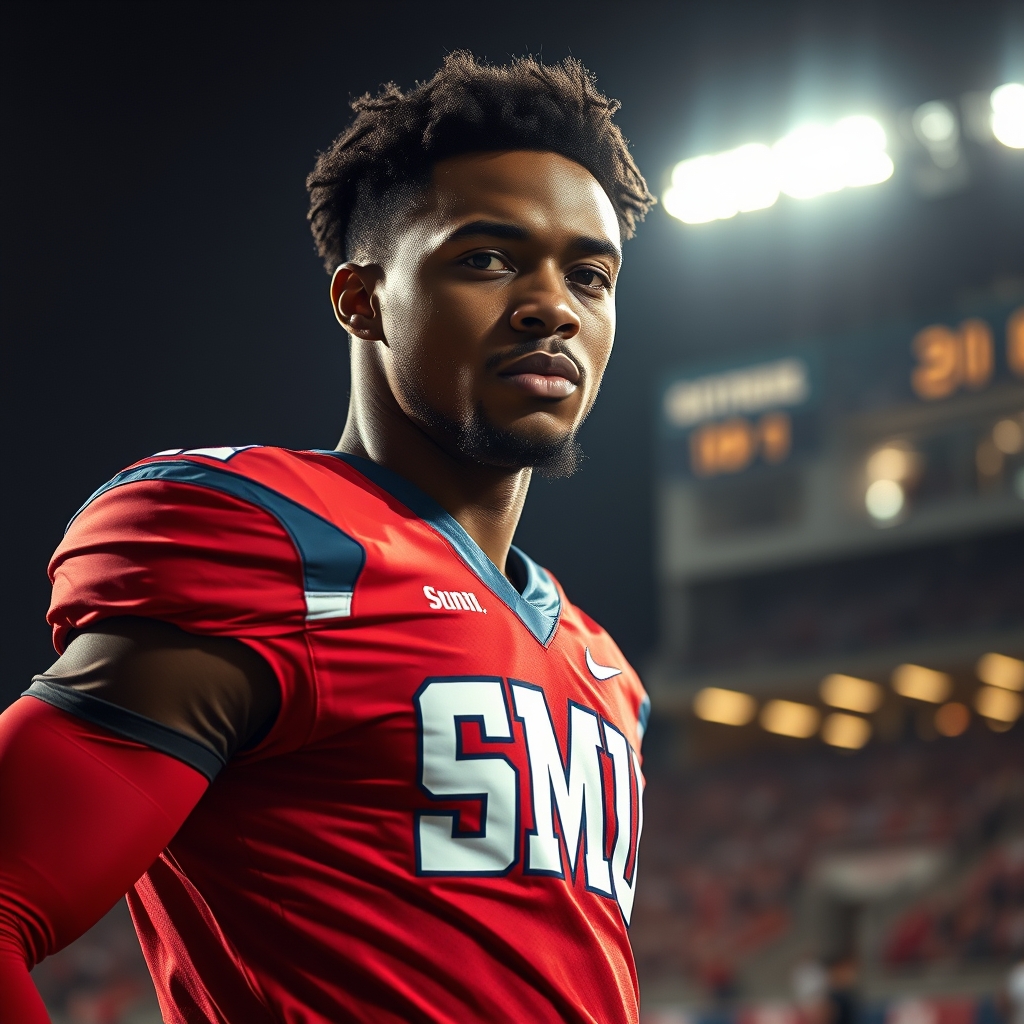
Among the plaintiffs are former SMU receiver Jordon Hudson and former Miami linebacker Wesley Bissainthe, both of whom signed with NFL teams as undrafted free agents. Although neither played in the SEC, the judge's order applies to the NCAA, meaning they could now sign with any school that wants them. This decision comes as part of a broader wave of legal challenges to the NCAA's five-year eligibility rule, which has been a flashpoint across the country.
Conference Rules Under Scrutiny
The SEC's rule was part of a coordinated effort by the Power 4 conferences—SEC, Big Ten, ACC, and Big 12—to prevent players from returning to college football after testing the professional waters. The ACC became the final conference to adopt such a policy on Thursday, just hours after the Texas ruling. These conference-level rules go beyond football, affecting men's and women's basketball as well, and have sparked intense debate about amateurism and player rights.
'Just to me, that's kind of a cutoff, when a guy goes pro,' said N.C. State football coach Dave Doeren, echoing the sentiment of many coaches who support the restrictions. 'And we say goodbye, good luck, and we move on. And there shouldn't be the ability to come back. If it's the Big Ten, SEC—it doesn't matter to me: it's an amateurism rule.'
However, the legal landscape is far from settled. While the NCAA has won some appeals in similar cases, the Texas decision challenges the notion that conference rules are immune to antitrust scrutiny. 'From an antitrust perspective, as long as conferences aren't colluding, they can make their own rules about allowing, or not allowing, former professional players to compete,' said Rick Karcher, a faculty athletics representative at Eastern Michigan and former sports law attorney. 'But regardless of any injunction order that may be issued, it doesn't require any school to allow any player to compete on the field, and I highly doubt that any schools are going to violate conference rules.'
What's Next for Players and Conferences?
The immediate impact is uncertain. At least two players who signed with NFL teams as undrafted free agents were hoping to play for No. 11 LSU this season, but the SEC's rule would have blocked them. Now, with the restraining order in place, they may have a path back to college football—at least temporarily. The bigger question is whether other conferences will face similar legal challenges, and whether the NCAA's broader eligibility rules will ultimately be overturned.
As the legal wrangling continues, players and their attorneys are watching closely. The Texas ruling could embolden more lawsuits, potentially forcing a national resolution. For now, the balance between professional ambition and college eligibility remains in flux, and the upcoming season may see unexpected roster additions as the courts weigh in.
Reported by the Vulius NFL Analysis Desk, this story will continue to develop as more rulings emerge. Stay tuned to Vulius for the latest updates on this pivotal moment in college football and its ripple effects on the NFL pipeline.
Explore official jersey collections crafted with premium stitched lettering and breathable athletic fabrics at Vulius.